Prom Peru

Peru is becoming one of the top tourist destinations in the world; mainly because of the riches Peru has to offer. Being rich isn’t always about the amount of things one possesses, nowadays, being rich is about enjoying timeless moments and Peru has many riches in gastronomy, adventure, culture, and nature.

Like any other country or business, Peru has to market in order to increase their tourist amounts and Prom Peru is in charge of making sure Peru gets their name heard. There is not a single place in Peru that you can go where you don’t see the Peru logo. It is the official brand of Peru and is used to differentiate Peru from the rest of the world. This logo has a consecutive line going through the “P” in Peru which represents moving forward into the future. This logo was created by Future Brand and took two years of research to create a logo perfect for Peru.

Prom Peru has a mission to promote Peru. Through this promotion, they hope to increase the number of tourists that visit, improve the exports, attract investments, and improve the country image and reputation. How do they do this? First and foremost, they involve the citizens of Peru. When people are involved, they feel that they are a part of the brand and are able to spread the message of their country across the world. Who better to promote than Peruvians themselves?

There are many advertising actions that Prom Peru takes in order to allow their brand to be seen and heard. Some examples of advertisements that you see about Peru include: written media, outdoors, billboard in NYC during New Years, and press tours. With these advertising actions, there are sectors that contribute to the countries image that are focused on in advertising. These sectors include: Coffee, super foods, Pisco, alpacas, film in Peru, and gastronomy.

Overall, Prom Peru works to improve Peru’s image while promoting the fantastic aspects Peru has to offer to the rest of the world. I never realized how much research, work, and planning it takes to promote tourism in a country, but it is definitely working for Peru. Their brand is one that I will never forget and their image is one that I will continuously promote to others for years to come. In my opinion, Peru is truly one of the richest countries in the world.
The Lost City

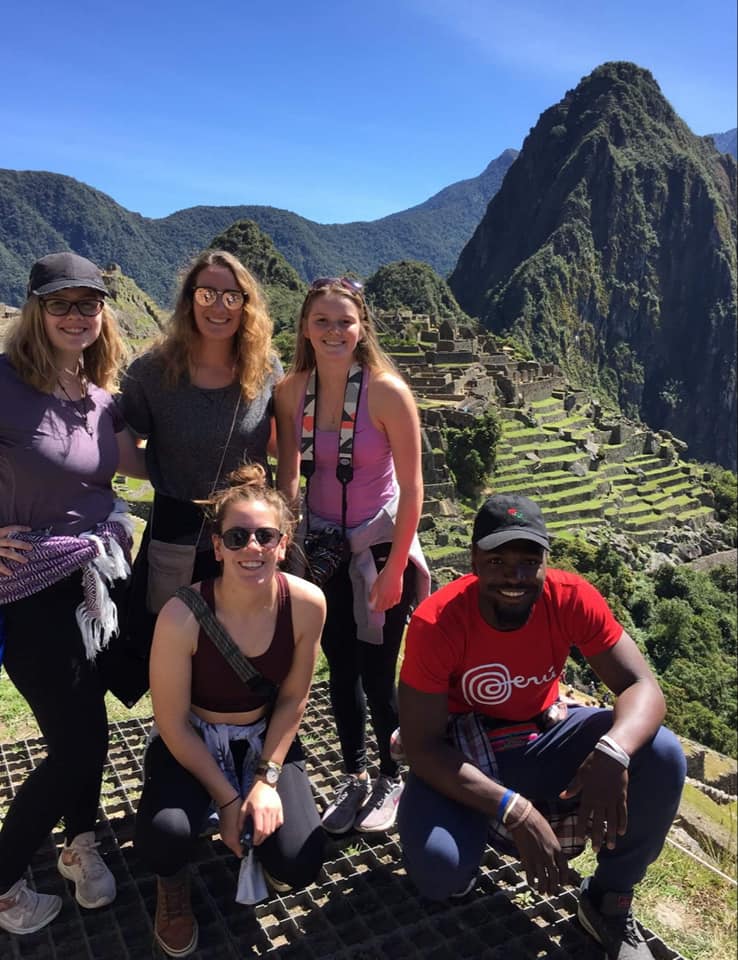
Machu Picchu was once a beautiful Incan city and has now been deemed as “The Lost City” as it was unknown until its rediscovery in 1911. Although the Incan structure was lost for many years, the craftsmanship and stonework has remained relatively identical even after thousands of years, providing some insight to the true jewel the city once was.

According to our tour guide, Machu Picchu is believed to have been the home to nearly 500 Incan citizens, but is believed to have possibly been a retreat for Incan rulers. The actual purpose of Machu Picchu is unknown. Due to it’s isolation from the rest of Peru, traveling great distances would be required to reach any nearby villages.

The construction of Machu Picchu by the Inca had the environment and ecology in mind. Every part of Machu Picchu had a either religious, administrative, political or social purpose and is separated into three areas: agricultural, urban, and religious. the structures are arranged so that the function of the buildings matches the form of their surroundings. The structures are arranged so that the function of the buildings matches the form of their surroundings.

There is no doubt about it, Machu Picchu is one of the most visited tourist attractions in South America. There are many steps to take in order to visit this magical piece of art. First, you must arrive at the Inca city of Cusco, from Cusco, you can take one of the many train services available, and lastly, once you arrive, a shuttle service is available to bring tourists from the train station up to Machu Picchu. Alternatively, some tourists hike the Inca Trail and are able to see Machu Picchu from afar or hike to Machu Picchu after witnessing some other Inca ruins first. The Inca Trail is definitely on my bucket list for the next time I am able to visit Peru.

Circular Economy

Circular Economy is an economic system focused on sustainability by making the most of resources that we possess and therefore, eliminating large amounts of waste. This approach to sustainability takes the typical “take, make, dispose” model of production to a whole new level. In a circular system, the model of production is more of a “make, use, reuse, remake, recycle” kind of approach.

Circular Economy advocates declare that this form of sustainability does not affect the quality of life for consumers, and will not produce extra costs for manufacturers. Products that are involved in this approach include Kaffeeform, a reusable coffee cup made entirely out of coffee grounds, as well as refillable products such as a refillable tube of deodorant. There is even a company that specializes in reusable products and offers consumers an alternative to recycling called Loop. With Loop, consumers can shop for a variety of products, such as, laundry detergent, shampoo, mouthwash, etc. After using these products, consumers put the empty containers in a Loop tote, place it on their doorstep to be picked up by a delivery service, and the containers are cleaned and refilled and shipped out to consumers once again.

Sounds like a perfect world doesn’t it? I’m all for going green and minimizing waste as much as the next person, and I believe small initiatives such as Loop are great contributions. However, completely eliminating waste isn’t feasible or realistic. Imagine how difficult it is to get every person in the world to adapt to this new means of recycling; it’s not possible. Let’s pretend that we did though; there is still no way to completely eliminate waste. Reusable containers will someday still end up in waste and in order to make biodegradable products, a lot of man power and resources are required. It’s nice for everyone to take steps in order to make our world a nicer place; however, I don’t see a day that the world will ever be 100% waste free.

Rainbow Mountain

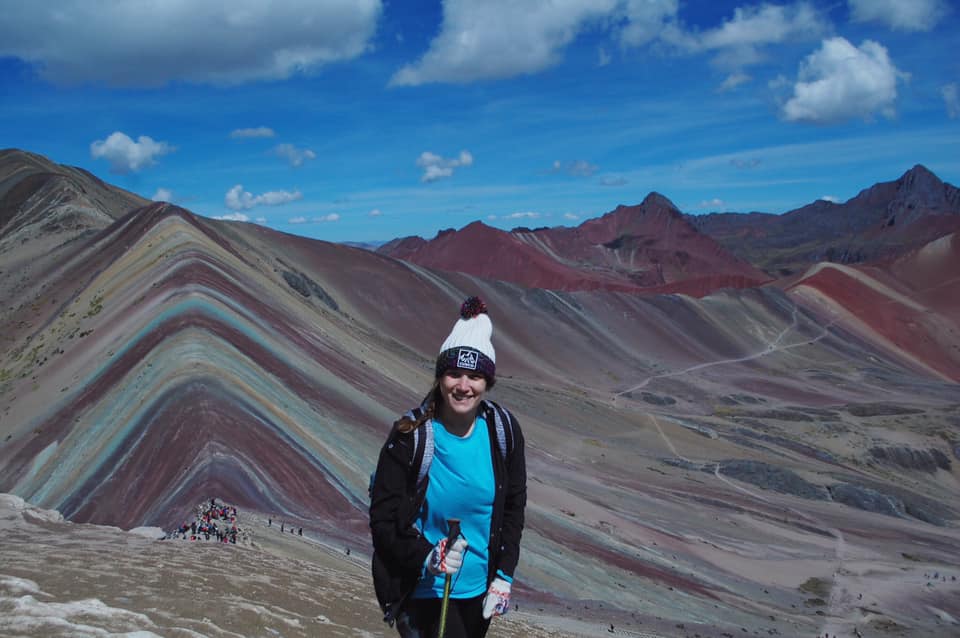
Just as magical as it sounds, Rainbow Mountain has been one of the most beautiful and rewarding experiences I have had the pleasure to have. Located in the Andes Mountains in Cusco, Peru, 5,200 meters above sea level, it was only recently discovered in 2016 due to global warming. When the snow on the mountain melted, the beautiful natural colors were revealed, making Rainbow Mountain one of the new top tourist attractions in Peru.

Rainbow Mountain is an experience that cannot be described greatly and must be done in person, however, I’m going to do my best. Throughout the trek on the way up the mountain, llamas, alpacas, and horses are dispersed all around the range, locals are living their daily lives and helping hikers navigate their way to the top, and many adventurists from all over the world are gathered to witness the same amazing scenery.

Along with the beauty and wonder of this mountain, there may come side effects: Altitude sickness. Unfortunately, I am one of the unfortunate souls that suffered altitude sickness during my hike up rainbow mountain. Rainbow Mountain has an altitude of more than half of Mount Everest! I’m putting that on the resume. Altitude sickness gives off an exhausted feeling along with stomach aches and acid reflux. Although this sickness made it seem nearly impossible for me to make it to the top, I knew I would never forgive myself if I didn’t. Therefore, I took continuous breaks and did what I had to do in order to make it to the top of the mountain, and allow me to say, the pain was definitely worth the gain.

The top of the mountain offered the best view, however, the whole journey was as amazing as the destination. Beauty was found around every corner and up every hill. What I take away from this experience is a knowledge of one of Peru’s extraordinary natural landmarks and the need for more adventure.

Sustainability in Peru

Peru is one of the few nations that has human development and resource consumption balanced. Brainstorming ideas on how to go green and become more sustainable is quite simple, following through on these ideas; not so much.

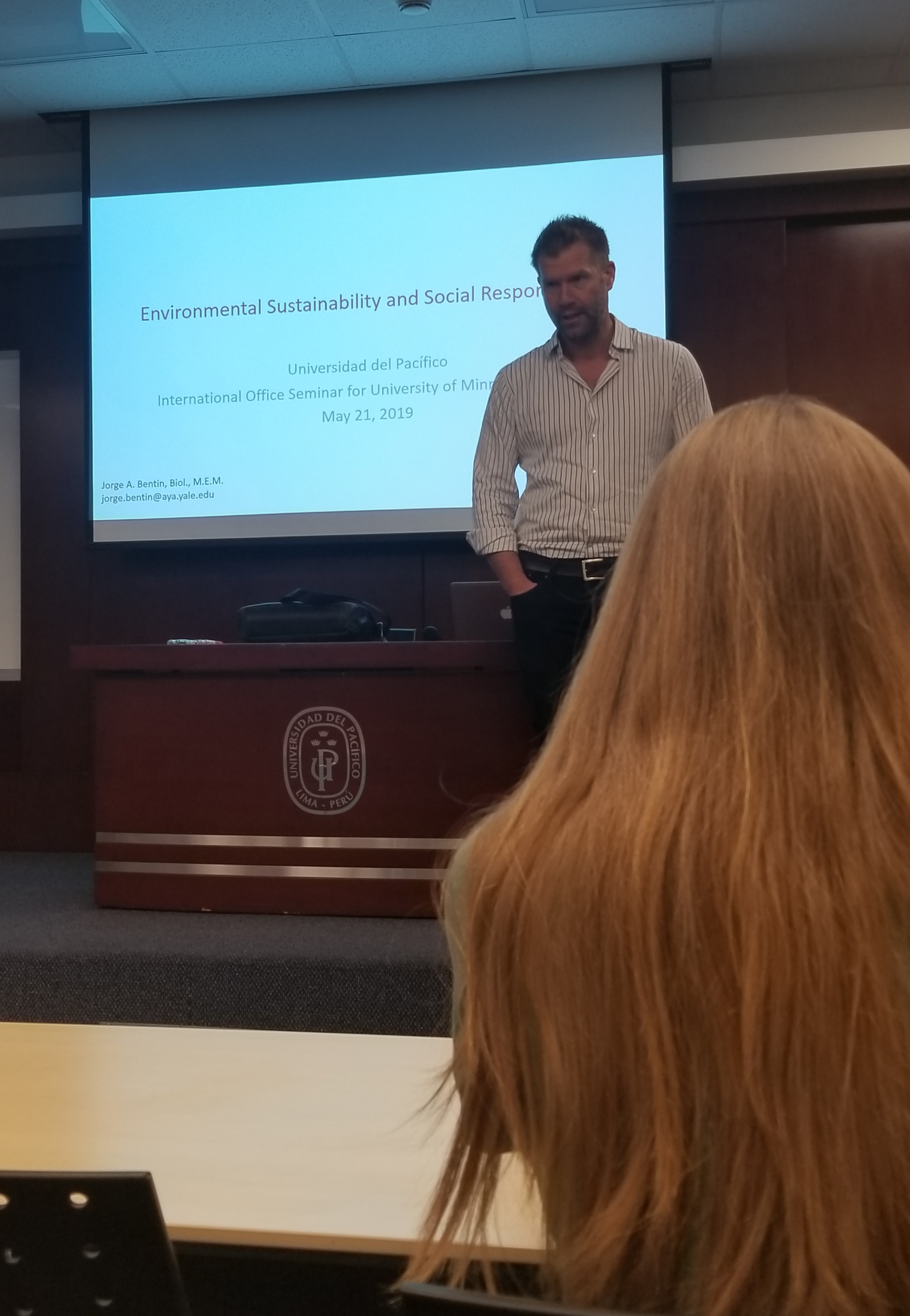
However, Peru has it a bit easier than certain countries such as the United States. Much of Peru is a part of the Amazon Rainforest which provides many water and timber resources. What was the first step that was taken towards this sustainability movement? According to Jorge Bentin, agriculture. It’s hard to believe that there was ever a time before agriculture; however, this is what greatly influenced technospheres, which is the part of the environment where technodiversity extends its influence into the biosphere. Learning to grow crops naturally and live off the land helped influence many go green initiatives. Along with agriculture, antropocentrism has a huge effect on fixing, maintaining, and preserving ecosystems. Although this approach focuses largely on humans best interest and it lacks empathy for other parts of our ecosystem. Therefore, it is not always the best approach to take, but depending on the sustainability initiative, it can be beneficial.

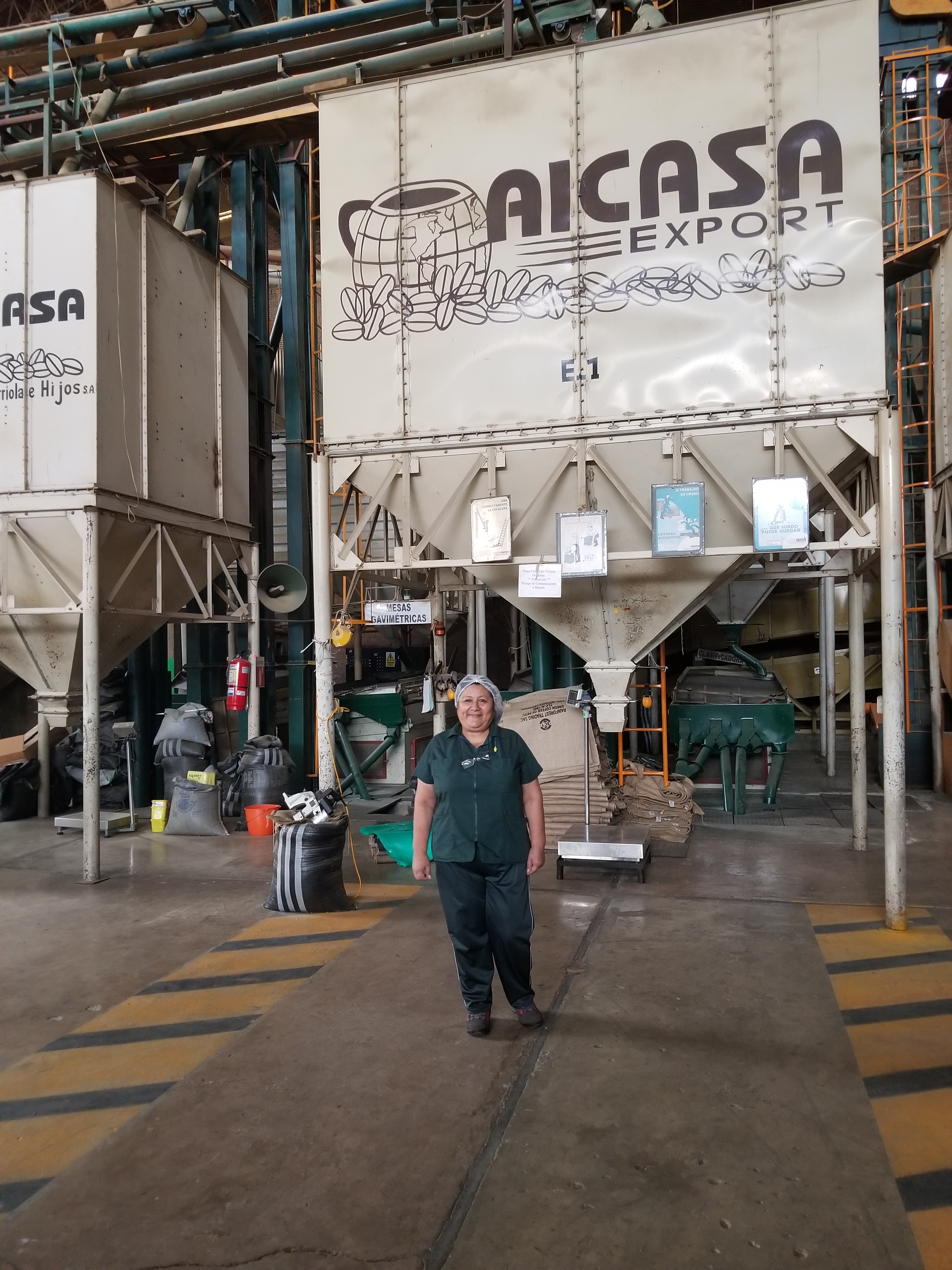
Throughout my time here in Lima, I have had the opportunity to tour many different businesses or companies and learn about their production platforms. Every place that I went had their own ways of somehow going green: Inca Kola uses sky lights in order to provide lighting inside the warehouse and cleans and reuses recycled bottles; Amaz uses Amazonian resources such as handmade woven baskets and paper straws; Aicasa coffee uses pure Peruvian coffee which limits the need for transportation and other environmentally harmful products that can have an affect on products obtained elsewhere.

Sustainability is not always an easy thing to obtain. However, when everyone begins working together and doing their part to achieve these goals, it makes a huge difference. Although some nations may have more natural resources, everyone can find their own way to go green.

Jorge Bentin giving his lecture on Environmental Sustainability and Social Responsibility

The Amazing Race

Have you ever been interested in getting lost, running into language barriers, and engaging with strangers? Then the Amazing Race is the perfect opportunity to do all of these things.

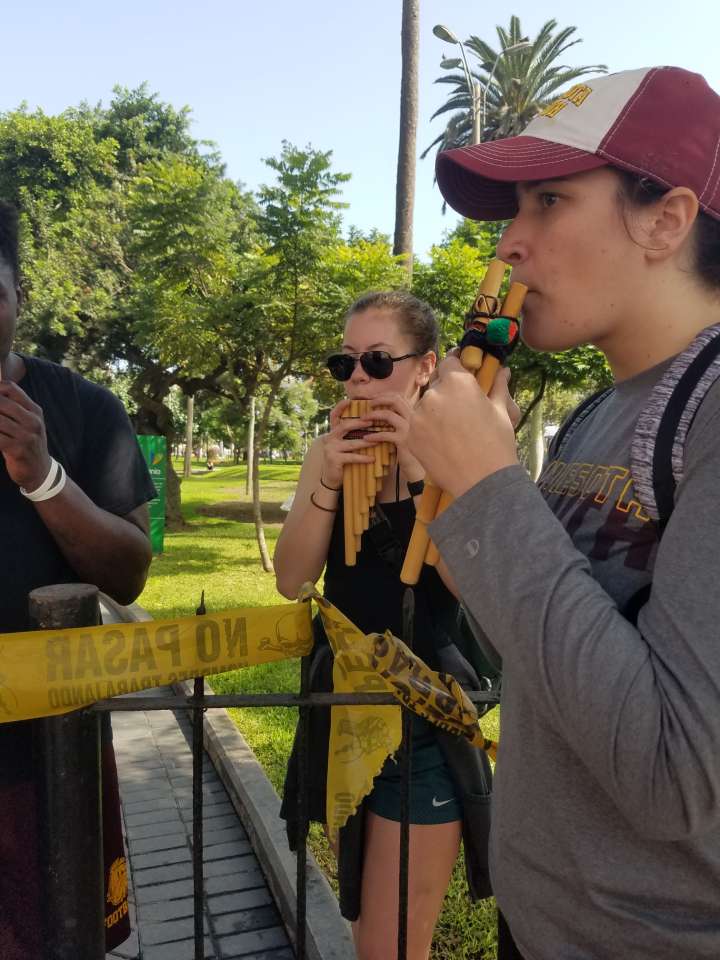
However, this activity is not as scary as it sounds and, in fact, has been one of the highlights of my experience. For this activity, everyone split into groups and was given clues as to where to go and each destination that the clues led us to had the next clue that brought us to the next destination. We started out the race with some group members stomping grapes which gave us some insight into the wine making process and the Grape Harvest Festival that occurs every year here in Peru. The festival is based in the the district in Lima called Surco and focuses on their history/traditions which of course involves wine making and tasting! Every year, a Harvest Queen is elected for the festival and she receives the honor to participate in the grape stomping. Next we had to track down a woman named Olga who has a white kiosk where she gave us some traditional Peruvian chocolate. Then, we were able to grab a pork loin and sweet potato sandwich for lunch and for dessert try many different fruits from a local market. After this, we practiced our marketing skills at booths at the Indian Market and had to sell 20 soles worth of merchandise to shoppers. This task was more difficult than I thought it would be, and only one of us was successful in actually completing this task. Following this, we met up with Jaime at a local park where he taught us to learn to play pan flutes. Lastly, we headed to towards the ocean to practice our juggling skills for soccer. Cory received first place with 14 juggles, I received second with 7 juggles, and Abbi came in third with 5 juggles.

Rather than splitting into teams, we eventually decided to work together and I believe that was very rewarding as we all worked together to navigate through the city, talk to the locals in order to find our way as well as better understand some of our activities that we were completing. The kindness we received throughout the course of this activity was tremendous. We had to attempt to ride the local buses to get from destination to destination and many bystanders as well as the bus drivers were more than happy to help and point us in the right direction. Many people who saw us participating in these activities who themselves have knowledge in these particular areas were more than happy to explain their knowledge of everything to us. I believe that this activity helped me to expand my knowledge in Spanish speaking. Although I am still not an expert, I believe that I am improving everyday and am excited to continuously improve over the rest of this experience.

Peruvian Coffee For The World

Cafe Aicasa is a well known Peruvian coffee company that harvests, gathers, and exports some of Peru’s finest coffee. There are four different types of coffee offered under this brand: Organic, Premium, Gourmet, and Classic. For the most part, most of the coffee beans that are used to produce their coffee comes from a southern region of Cusco known as La Convencion Valley as well as Chanchamayo Valley in the central rain forest region of Peru. Today, we had the opportunity to tour Cafe Aicasa’s warehouse in San Luis allowing us to better perceive their mission as a company.

One thing that I found very interesting is that this company is involved in the entire chain of production from start to finish, which allows them to have better control over the processing, making efficiency more feasible. There is a lot of equipment that helps make this process successful. First, the beans are sorted by their sizes and grouped together based on their size. Next, they are put into a machine that will separate them based on color to ensure that the pure black ones are all together will the lighter colored beans are separated from them. Cafe Aicasa has a business model that is organic and environmentally friendly, therefore their coffee is made with all natural ingredients and has an exquisite flavor. This coffee can be purchased nationwide in stores, online, or through other coffee companies that sell this brand.

So far, this has been one of my favorite tours of the trip and I look forward to supporting this company by purchasing their coffee and hopefully returning for a visit in the near or distant future.

Eat Peru

With a variety of unique and delicious flavors, fresh crops and meat, and vibrant culture, Peru has become a popular destination for gastronomic tourism. Peruvian cuisine has been influenced by many different cultures and is continuously gaining recognition for it’s fresh and delicious taste while impacting the world on a daily basis, although, it is not always easy to notice how food can affect our day to day lives. Today, we visited Urban Kitchen in Lima, Peru and had the opportunity to cook and eat our own authentic Peruvian meal while learning of the impacts that come along with Peru’s food movement.

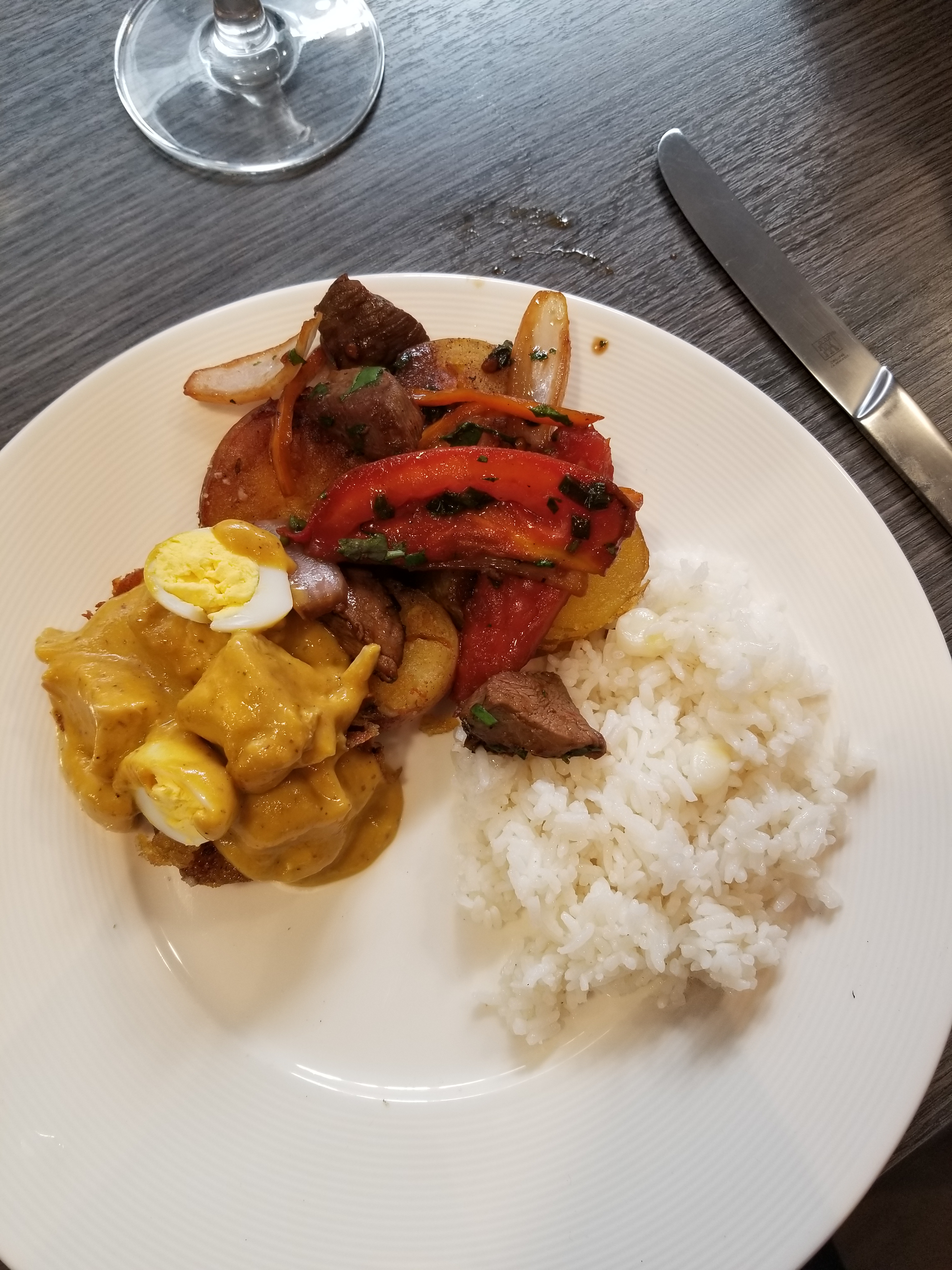
First up on the menu is cebiche, one of Peru’s signature dishes. This dish is made of fish (typically flounder or sea bass), lime juice, onion, sweet potatoes, cilantro, and corn, with other ingredients based on preference. Cebiche is served with leche de tigre, which is a blended liquid made of celery, onion, fish, cilantro, and ginger and then poured into the serving dish along with cebiche. Served alongside cebiche, is causa with prawns, huancaina sauce, octopus, and black olive sauce. Next is potatoes, the powerhouse crop of Peruvian dishes that is also native to Peru. Potatoes are a necessary asset to many Peruvian dishes including the ones that we made at Urban Kitchen which were Aji de Gallina, a dish made up of chicken, onion, garlic, black olives, and eggs covered in yellow chili paste and Lomo Saltado, a dish made up of beef, garlic, tomatoes, scallions, and onion served with rice with corn and potatoes. undefined

So how does Peruvian food affect the rest of the economy? Farmers and fishermen who grow the crops or catch the fish used in these signature dishes are affected tremendously. Without their work growing and catching the fresh ingredients that make these Peruvian dishes the best they can be, Peru would be no different than other countries who do not use fresh produce. With the need for these fresh ingredients, farmers and fisherman always have work as well. Peru is a leading organic exporter and use many organic ingredients in their dishes, making many meals vegan friendly, leading to a fairly healthy diet among Peruvians. With the expanded options and interest among Peruvian cuisine, Peru is becoming known as a culinary destination, bringing in many tourists and money for the economy.

Improving Healthcare in Peru

Peruvian healthcare has drastically improved since the 1990s. Healthcare expenditure has multiplied and access to services in poor, rural, and urban areas has increased. Enormous institutional innovation as well as the implementation of new programs and the proposal of new ideas has lead to this uprising. Healthcare in Peru is thriving and I believe that the key to their success is in their quality of care. Peru spends 5.5 percent of their GDP on health, the amount of healthcare workers in Peru is increasing, and their access to healthcare is continuously improving. However, there are still issues regarding healthcare in Peru. Despite difficulties that are faced everyday in healthcare, the increase in healthcare workers and access provides steady improvement across the country. The main issue is within poverty filled areas, therefore, Peru mainly focuses their attention to these areas and how to improve the ministry’s primary health subprogram. Authors of the article “Peru-Improving Healthcare for the Poor” were able to conclude that reforms introduced by the health ministry (MINSA) in providing primary care services have been successful and should be sustained, expanded and deepened. Taking into consideration the populations health outcomes, differences in health status, and the needs among those living in poverty and the rest of the population will allow further research on how to continue improving healthcare for the poor and therefore continuously implement changes. Improvement is not an easy task and cannot be done overnight. However, Peru is on the right track when analyzing cost barriers, shortcomings in management projects, quality in healthcare provider training, creating new health insurance mechanisms, and refining human resource skill requirements and incentives to better serve poverty programs. In conclusion, no system is a perfect system, but Peru is putting the right resources and abilities into making it the best that it can be.

Academic Goals:

  1. I am very interested in the global engagement that comes along with studying abroad. I hope to reflect critically on Peru’s healthcare reform and compare it to the United States to better understand cultural healthcare and improve my understanding in my field of study.
  2. I hope to discuss the sustainability aspect of Peruvian culture and how it influences their culture compared to other countries.

Personal Goals:

  1. My first goal is to step out of my comfort zone. I know that communicating cross-culturally will be a challenge for me, but I am excited to expand my Spanish speaking skills.
  2. Secondly, I believe that the best way to make the best out of a study abroad experience is to engage yourself with the locals and their culture. This will allow me to deepen my understanding of the culture while I’m there and better understand the in’s and out’s of Peru. With that being said, I really hope to be able to bond well with my host family also.